

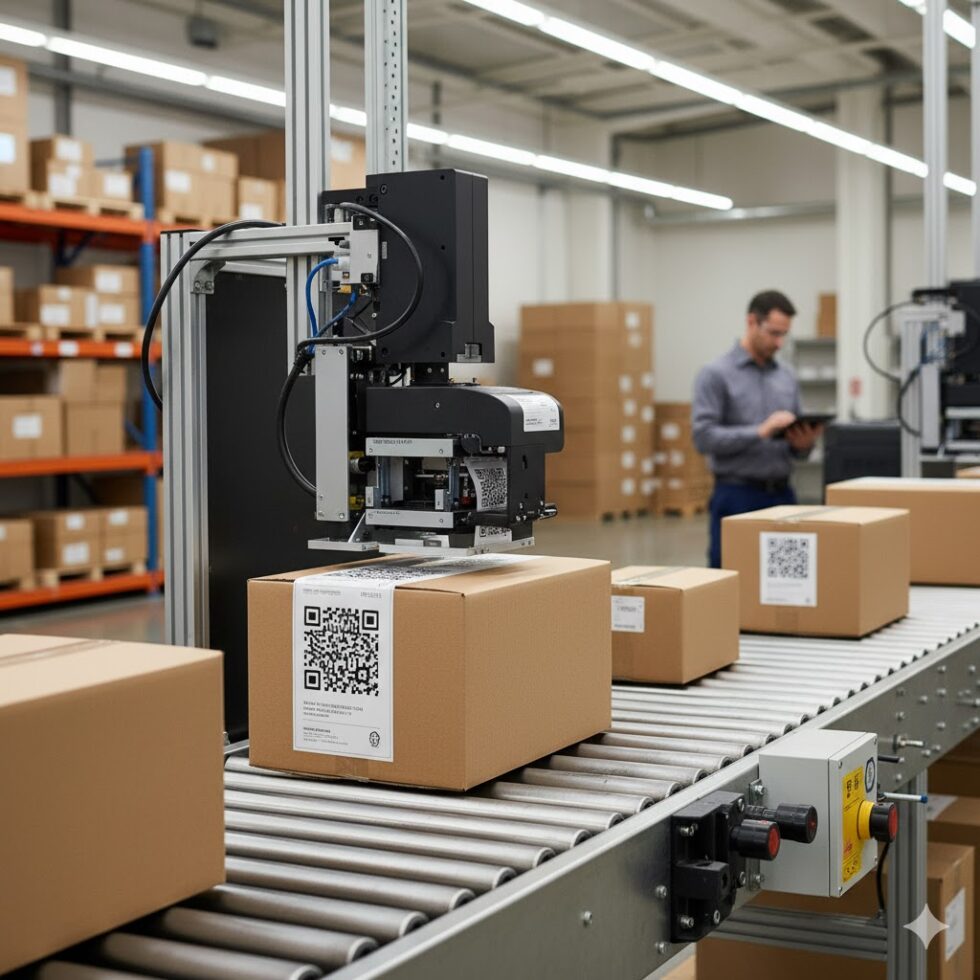
Fulfillment centers live and die by efficiency. Every second spent reprinting a label or troubleshooting a printer jam translates to delays, costs, and customer dissatisfaction. For years, many facilities relied on a mix of desktop software and manual printer setups — until the complexity of scaling caught up with them.
This case study explores how several U.S. fulfillment centers transitioned their label workflows to ZPL.ai, cutting printing times, standardizing label templates, and eliminating thousands of manual errors per month.
The Challenge: Too Many Printers, Too Little Control
Fulfillment operations typically involve dozens — sometimes hundreds — of printers across multiple locations.
Before adopting ZPL.ai, one East Coast distribution hub struggled with:
- Inconsistent label formats between printers.
- Delays caused by local ZPL simulators.
- Lack of centralized visibility into printer activity.
- Label layout issues when switching from 203 to 300 DPI printers.
Operators often had to manually edit ZPL code or re-render labels locally, a process that slowed down order throughput by up to 12% during peak hours.
The Turning Point: Centralized Rendering
The introduction of ZPL.ai’s cloud rendering changed everything.
By consolidating label generation in a single, browser-accessible platform, fulfillment teams gained the ability to preview, approve, and print from anywhere — without needing to install local drivers or simulators.
Core benefits observed:
- Real-time previewing ensured 100% alignment accuracy.
- Label templates were unified and stored in the cloud.
- Print jobs could be triggered directly from ERP systems via API.
- Scaling up to new locations no longer required manual configuration.
Instead of managing dozens of local simulators, the IT team now oversees everything from one ZPL.ai dashboard.
Integration with Existing Systems
One of the reasons ZPL.ai was chosen was its ability to integrate with existing infrastructure.
The fulfillment centers used systems like Oracle Netsuite, ShipStation, and SAP Business One — all of which can connect directly to ZPL.ai’s API for automated label generation.
The result:
- A new order automatically generates a ZPL label template.
- The preview is validated through ZPL.ai’s rendering engine.
- The approved label is sent to the right printer queue instantly.
This seamless flow reduced human intervention by nearly 80%, freeing warehouse teams to focus on packaging and logistics instead of label troubleshooting.
Training and Adoption
The transition wasn’t just technical — it was cultural.
Fulfillment staff who were used to legacy systems found ZPL.ai’s interface intuitive, particularly the split-screen editor that shows live updates as code changes.
Supervisors created standardized templates for common use cases:
- Return labels.
- International shipping barcodes.
- Pallet and warehouse ID tags.
ZPL.ai’s user roles and permissions also ensured that non-technical staff could preview and print without touching the underlying code — a huge step toward consistency and compliance.
Results After Implementation
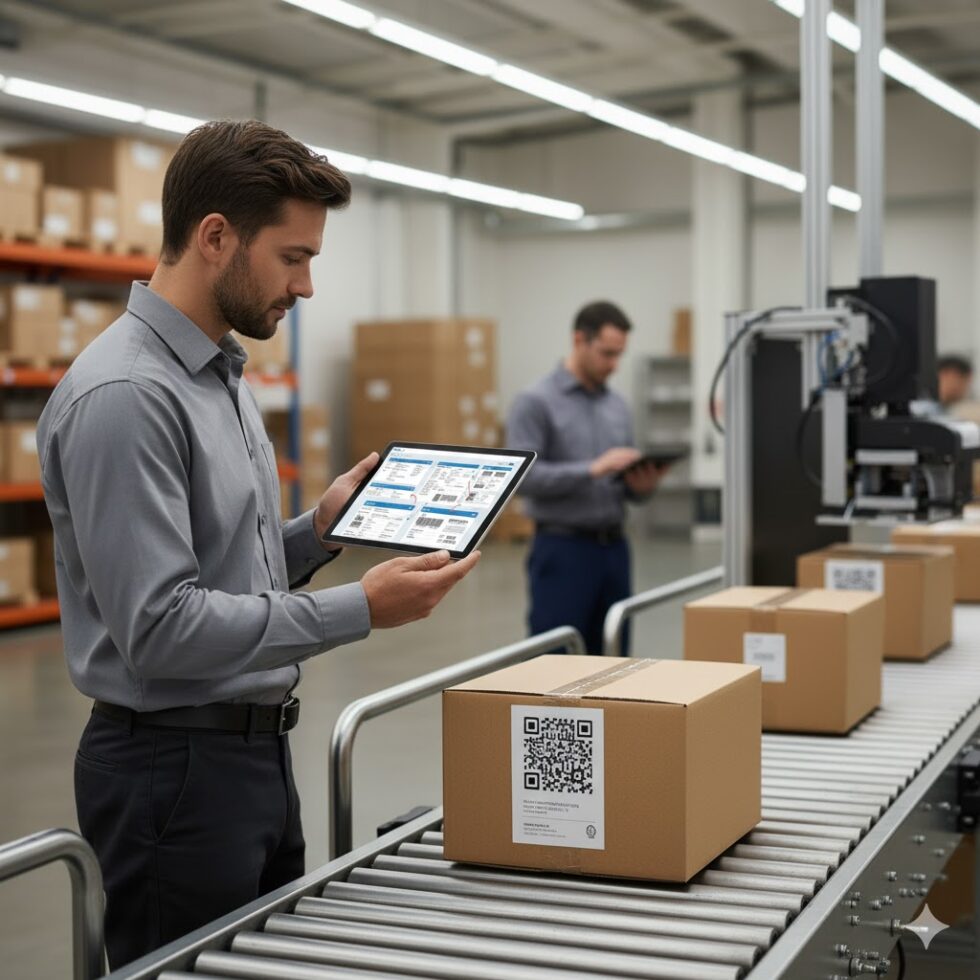
After three months of deployment across four fulfillment centers, the impact was measurable:
| Metric | Before | After ZPL.ai |
| Label error rate | 7.3% | 0.4% |
| Average preview-to-print time | 18 seconds | 3 seconds |
| IT support tickets/month | 46 | 8 |
| Label standardization | 65% | 100% |
| Monthly cost savings | — | Estimated $12,000+ |
Beyond the numbers, employees reported smoother workflows and faster onboarding for new team members.
Lessons Learned
The main takeaway was clear: decentralized label management doesn’t scale.
By moving label rendering, testing, and management to a centralized cloud system, fulfillment centers gained both agility and reliability.
They also learned that printer configuration inconsistencies — once thought unavoidable — could be eliminated with software precision instead of hardware control.
Final Thoughts
For modern logistics and fulfillment operations, every label printed represents a promise kept to the customer.
Tools like ZPL.ai prove that speed and accuracy don’t have to be a trade-off — they can coexist in one unified workflow.
If your fulfillment team still relies on local simulators or manual label testing, now’s the time to evolve. Test your labels online with the zpl viewer and see firsthand how cloud-based rendering transforms productivity.